The Transactional Presidency
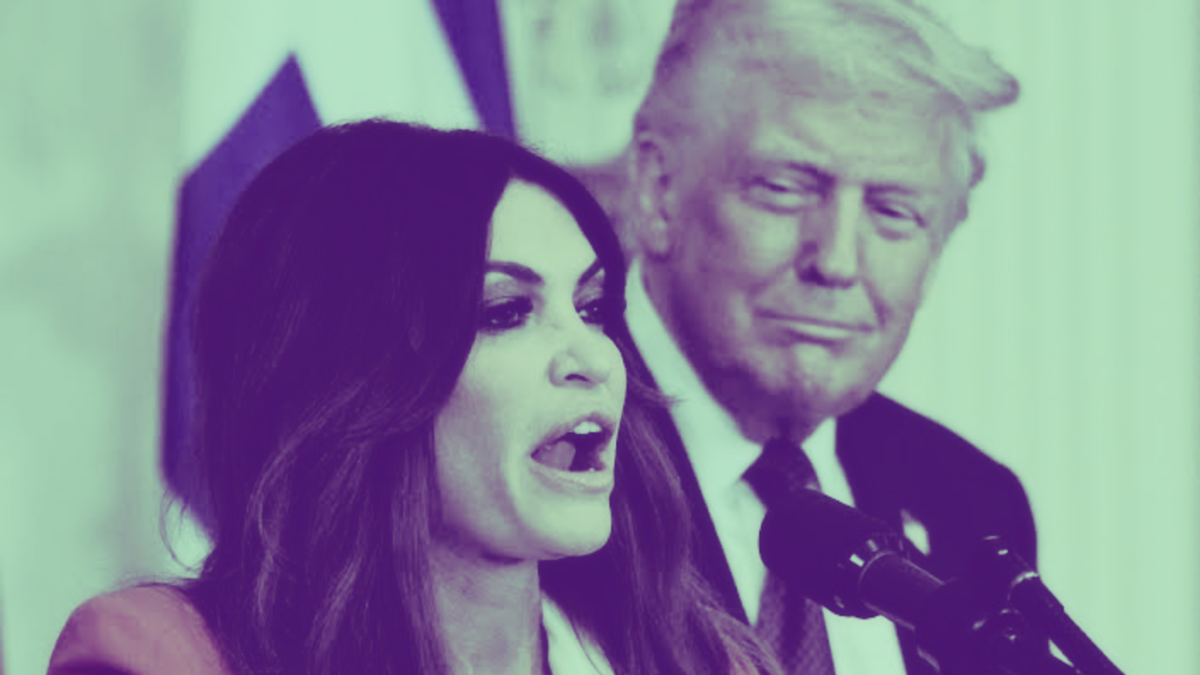
Kimberly Guilfoyle's downfall isn't a lone scandal. It's a glimpse of a system where access, favors, and pardons are for sale.
A System, Not a Scandal
The scale of corruption surrounding Donald Trump, his family, and his administration is historic. Companies tied to investment firms affiliated with Trump’s sons have received $3.2 billion in federal awards, with billions more in contract options, while the family pushes deeper into cryptocurrency ventures. The same Republicans who spent years investigating Hunter Biden have almost nothing to say. The real concern is not a few individuals exploiting their positions. It is that the administration appears to operate as one vast transactional system in which money buys access, influence, government favors, and potentially even pardons.
Please, just a moment of your time...
Liberty’s Lens is entirely reader‑supported. We don’t answer to corporate masters deciding what we say or what we cover.
If you find our work valuable, please consider upgrading to a paid subscription. You can take 20% off with this coupon — and support independent media for about the price of a coffee per month.
If you've been thinking about upgrading to paid to support the work of Liberty's Lens, now is the time. Upgrade and save.
If a subscription isn't in the budget right now, a one time contribution, any amount, is always appreciated.
Thank you to every reader who shares our work and helps it reach new audiences. We couldn’t do this without you. We love you all.
The Guilfoyle Texts
Kimberly Guilfoyle’s case shows how that system works up close. Days before her July 2025 confirmation hearing as ambassador to Greece, Guilfoyle allegedly pressed Kentucky donor Eric Deters to wire $100,000 directly to her American Express account, assuring him it would not show up anywhere. According to messages first reported by The Wall Street Journal, she urged him to keep their “arrangement” quiet, move their conversations to Signal, and stop putting things in writing, warning that he could cost her the ambassadorship. Deters has since said she asked him to write a letter claiming he owed her money.
Deters, for his part, was growing impatient. In a late-June letter, he wrote that he had already paid her $300,000 over the years without receiving a single favor, and he demanded results. He wanted help landing an appearance on Tucker Carlson’s show, access to then–IRS Commissioner Billy Long over a tax matter, and introductions to top Justice Department officials. He never paid the $100,000. Guilfoyle’s lawyers dispute the messages’ authenticity and say she was owed fees for speaking events. On October 13, the White House announced it had asked her to resign, and the State Department’s inspector general has reportedly opened an investigation.
What a Real Investigation Would Look Like
Her resignation should be the beginning of accountability, not the end. Simply buying a meeting may be hard to prosecute after *McDonnell v. United States, in which the Supreme Court held that arranging meetings or calling other officials, without more, is not an “official act” under federal bribery law. The question is whether this went further, toward an explicit exchange of money for government action. A donor demanding results, followed by warnings about a private arrangement and a move to encrypted messaging, is exactly the pattern that justifies finding out
A serious investigation would secure Deters’s cooperation, obtain the full payment history, subpoena bank and credit-card records, recover remaining Signal messages and screenshots, and establish what Guilfoyle promised and what she tried to deliver. It would move upward toward the person selling influence, not downward toward lesser players.
There is also tax exposure. Money received through an improper or undisclosed arrangement can still be taxable income, and investigators could examine whether it was reported. A broader theory could treat the whole arrangement as an ongoing business of selling political access for cash.
Not an Isolated Case
Guilfoyle is not an outlier. People throughout Trump’s orbit have reportedly sold access to the president and offered help obtaining pardons. Border czar Tom Homan was reportedly recorded by the FBI in 2024 accepting $50,000 in cash from undercover agents posing as businessmen seeking government contracts. Trump’s Justice Department closed the case, and Homan denies wrongdoing. That outcome captures the core fear: a Justice Department aligned with the president will not meaningfully investigate the president’s people.