Trump Was Tricked Into a War With Iran
Why Obama and Biden resisted—and Trump Didn't
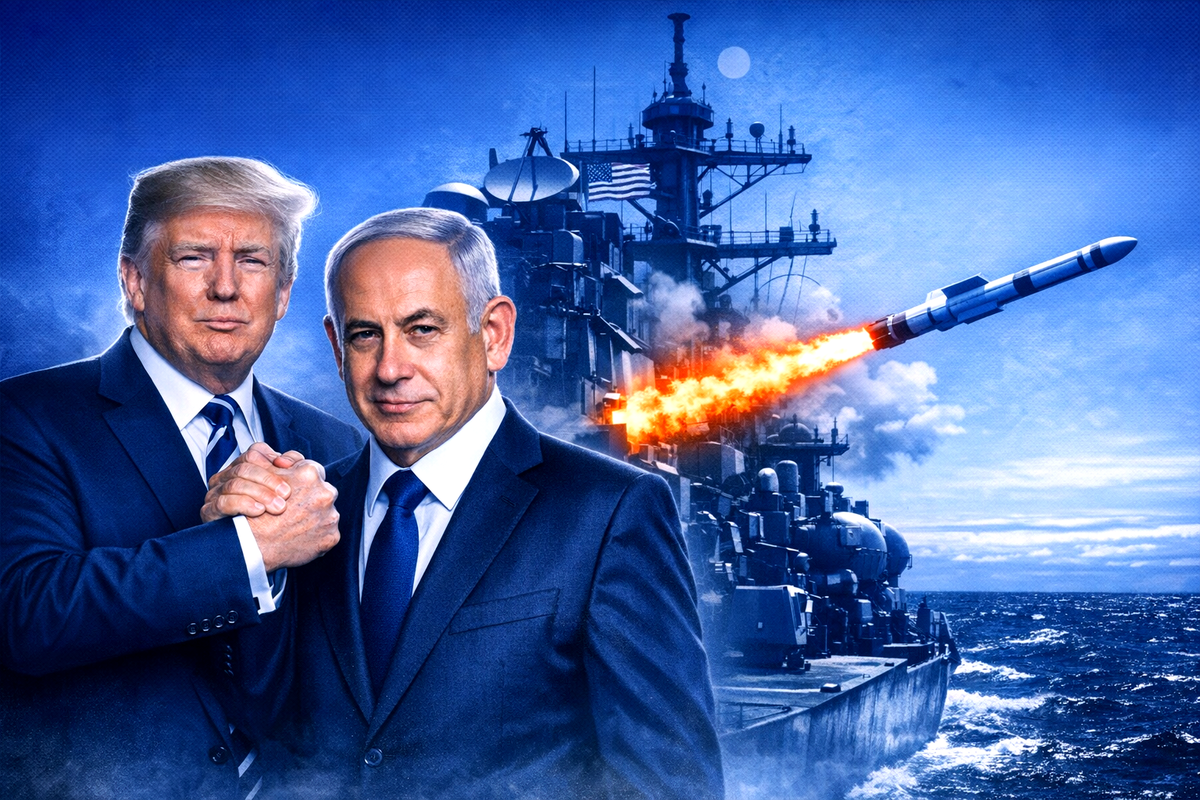
We came within about 30 minutes of having a war in the North, based on bad information the Israelis had about an imminent attack from Hezbollah. — Former Secretary of State Antony Blinken (IB Times)
Even as the White House insists the war is nearing its conclusion, Iran has signaled the opposite. In his first statement, the country’s new supreme leader committed to a prolonged conflict, emphasizing endurance and sustained pressure rather than imminent resolution. We appear destined for another Middle East quagmire, whether President Trump declares victory and walks away or not—because Iran will still get a vote.
I don’t think Donald Trump led the country into this war because he possessed some special clarity or courage that other presidents lacked. I think the opposite is true. I think he was pulled into it, maneuvered into it, coaxed and rushed into accepting a set of assumptions that stripped him of strategic control almost from the moment he said yes. This war didn’t happen because it was inevitable. It happened because Trump was unusually susceptible to the kind of pressure tactics that other presidents learned to resist.
Liberty’s Lens is entirely reader‑supported. We don’t answer to corporate masters deciding what we say or what we cover.
If you find our work valuable, please consider upgrading to a paid subscription. You can take 20% off with this coupon — and support independent media for about the price of a coffee per month.
You can also gift a paid subscription to a friend who’d appreciate what we do.
Thank you to every reader who shares our work and helps it reach new audiences. We couldn’t do this without you. We love you all.
This pressure is not new. The argument for preemptive action against Iran has been circulating for years, sometimes loudly, sometimes quietly, often framed as an urgent closing window. What changed was not the threat environment. What changed was the decision‑maker.
Antony Blinken recently described—plainly and publicly—how this pressure had played out before. Netanyahu repeatedly pressured Barack Obama to strike Iran, warning that delay meant catastrophe and implying Israel might act with or without U.S. support. Obama refused—not because he doubted American power, but because he understood the danger of letting someone else define the timeline. After October 7, similar urgency claims returned, this time framed around regional escalation and imminent attacks. Biden drew the same line Obama did: the United States would defend allies if attacked, but would not initiate a broader war based on nothing more than pressure from an ally. It may be cliché, but discretion really is the better part of valor.
The contrast here matters. Obama and Biden both understood that “now or never” arguments are often designed precisely to override judgment. Trump did not reject the pressure tactics; he collapsed under them.
Netanyahu’s influence campaign was more than an abstraction or distant diplomatic pressure. In the weeks leading up to the decision, Senator Lindsey Graham has openly described how he worked Trump personally—over months, in private conversations—to steer him toward war, while simultaneously coordinating with Israeli officials to reinforce the same sense of urgency. Graham told reporters he consulted directly with Israeli intelligence, saying, “They’ll tell me things our own government won’t tell me,” and acknowledged advising Netanyahu on how to make the case to Trump in terms he would find compelling. In one meeting, Graham urged Trump to embrace the strike as a legacy‑defining moment—“Mr. President, you want to have your fingerprints on this”—a framing designed not to test the intelligence, but to appeal to Trump’s instinct for dominance and historical drama. This was not a neutral flow of facts; it was a coordinated effort to manufacture inevitability. And it worked. (POLITICO | Raw Story)
Trump tends to equate hesitation with weakness and speed with strength. He believes decisiveness itself creates outcomes—that overwhelming force will shock adversaries into submission and shorten conflicts. That belief makes him vulnerable. It makes him easy to herd toward escalation by people who know how to frame urgency as statesmanship and restraint as failure.
I believe Trump was sold a story: that this would be fast, contained, decisive; that Iran would fold; that force would restore order and elevate Trump’s image as a strong leader willing to do what others would not. That story fit perfectly with his instincts—and it was wrong.
Iran does not need to beat the United States. It does not need to win spectacularly. It only needs to endure. It can absorb punishment, escalate cheaply, and wait while the costs accumulate elsewhere—financially, politically, psychologically. Iran’s leadership structure does not respond to the incentives Trump expects. It does not face elections. It does not need public approval. It measures success in survival and stamina.
That’s the strategic asymmetry Trump failed to appreciate.
You can already see the collision between his expectations and reality. The messaging splinters almost immediately. One moment the war is basically complete. The next, we’re launching the most intense bombing of the conflict. It’s over, but also escalating. It’s contained, but also spreading. That isn’t deliberate ambiguity—it’s contradiction driven by fracture within the administration.
Trump wants this conflict to end quickly because prolonged war exposes his misjudgment. He wants to reassure markets, lower gas prices, calm voters, and still appear dominant. To Trump, words aren’t a way to convey ideas or facts; they’re offers and demands. That’s why he declares victory to the American people while simultaneously threatening further force to Iran. It’s a scramble for narrative control in a situation that resists it.
Meanwhile, lawmakers emerge from briefings deeply unsettled. They talk openly about boots on the ground becoming a real possibility—not hypothetically, but as something that certain goals would require. They warn about outside powers like Russia and China increasing the risk to American forces. And they know that the administration’s public claims of success do not match what they’re being told privately.