Trump’s Immigration Theater Turns Dangerous
Armed federal agents showed up at a Gavin Newsom event in Los Angeles. It wasn’t a raid—it was a message. Trump’s immigration crackdown is no longer just policy. It’s intimidation.
The Incident
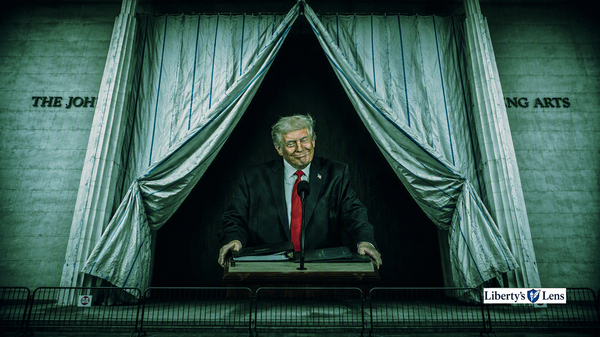
On August 14, a group of armed and masked Border Patrol agents assembled outside a museum in Los Angeles where California Governor Gavin Newsom was speaking. The agents did not make arrests or conduct a raid. They simply stood there—uniformed, silent, and heavily armed.
Mayor Karen Bass called it “a provocative act.” Newsom’s team described it as “an escalation.” Immigration advocates called it what it was: a show of force designed to intimidate.
New York Times
Why This Is Trump’s Playbook
This wasn’t about law enforcement. It was about optics. Trump has long used immigration policy not just to enforce borders, but to project power—especially in liberal strongholds.
Sending masked agents to shadow a sitting governor’s public event is not normal. It’s not routine. It’s not even subtle. It’s a political stunt dressed up in tactical gear. And it fits a pattern: Trump’s second term has seen increased militarization of immigration enforcement, including raids near schools, hospitals, and community centers.
This is not about border security. It’s about creating fear—among immigrants, among officials, and among anyone who dares to oppose him.
The Bigger Picture
Trump’s immigration crackdown has expanded beyond undocumented workers. His administration is now targeting legal immigrants, visa holders, and even tourists who express dissent. Deportations are up. Detentions are at a modern high. And the rhetoric is darker than ever.
This latest stunt in Los Angeles is part of a broader strategy: normalize federal intimidation, especially in cities that resist Trump’s agenda. It’s the same logic behind deploying National Guard troops to protests, or firing BLS officials who report inconvenient data. Control the narrative. Punish opposition. Make a spectacle.
ICE as America’s Secret Police
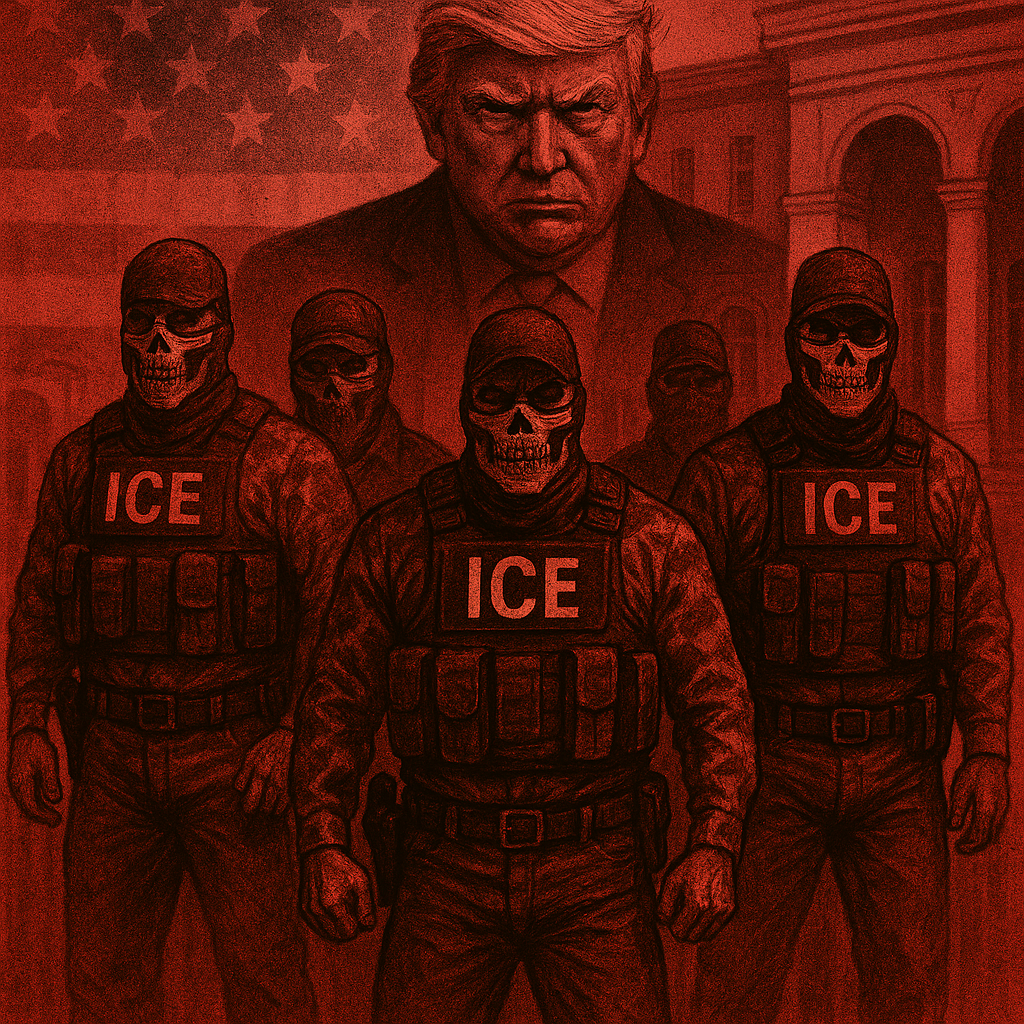
What happened in Los Angeles wasn’t just a stunt—it was a signal. Under Trump, ICE and Border Patrol have evolved from immigration enforcement agencies into instruments of political intimidation. Their tactics increasingly resemble those of historical secret police forces, like the Stasi in East Germany or the Gestapo in Nazi Germany—not in scale or brutality, but in function and intent.
Secret police are defined not just by secrecy, but by their role in suppressing dissent, targeting political opponents, and operating outside normal legal constraints. ICE now checks all three boxes:
- Targeting political spaces: Armed agents appearing at a governor’s event is not enforcement—it’s theater. It’s meant to chill speech and signal dominance.
- Operating in legal gray zones: ICE routinely conducts raids without warrants, detains individuals without charges, and uses surveillance tools with minimal oversight.
- Suppressing dissent through fear: The presence of masked agents in public spaces sends a message: opposition will be met with force, even if no laws are broken.
This isn’t hyperbole. It’s a pattern. And it’s accelerating. Trump has repeatedly praised authoritarian leaders for their “strength,” and he’s reshaping federal agencies to mirror that ethos. ICE is no longer just about immigration—it’s about control.
The Stakes
When federal agents become props in a political drama, democracy suffers. The line between enforcement and intimidation blurs. And the message to immigrants—documented or not—is clear: you are not safe, even in sanctuary cities.
This isn’t just about immigration. It’s about authoritarianism. Trump is using federal power not to protect Americans, but to punish critics and frighten communities.
What to Watch
- Federal response: Will DHS or CBP justify the agents’ presence—or deny involvement?
- Local pushback: How will California officials respond legislatively or legally?
- Pattern escalation: Watch for similar “shows of force” in other blue cities or at political events.
Bottom line: Trump’s immigration policy is no longer just about who gets to stay. It’s about who gets to speak, who gets to govern, and who gets to feel safe. And if armed agents at a governor’s event don’t alarm you, you’re not paying attention.