The Price of Approval: How Trump Turned Media Mergers Into Loyalty Tests
When the White House openly conditions antitrust approval on ideological outcomes, mergers stop being business and start being politics.
This Substack is reader-supported. To receive new posts and support our work, consider becoming a free or paid subscriber.
I) The norm break — presidential involvement becomes a lever
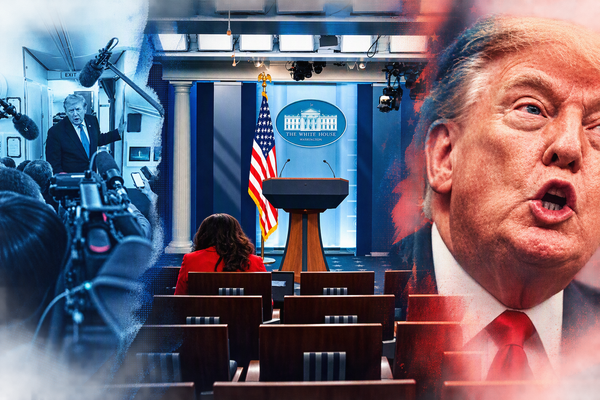
In the space of a week, President Trump did something past presidents avoided on purpose: he announced he would “be involved” in reviewing the rival bids for Warner Bros. Discovery — the Netflix agreement to buy the Warner Bros. studio and HBO/HBO Max and Paramount/Skydance’s $108.4 billion hostile offer for the entire company. He floated that Netflix’s market share “could be a problem” and said explicitly he would be part of the process, a break with the longstanding practice of insulating DOJ and FTC merger reviews from White House influence (USA Today | CNBC).
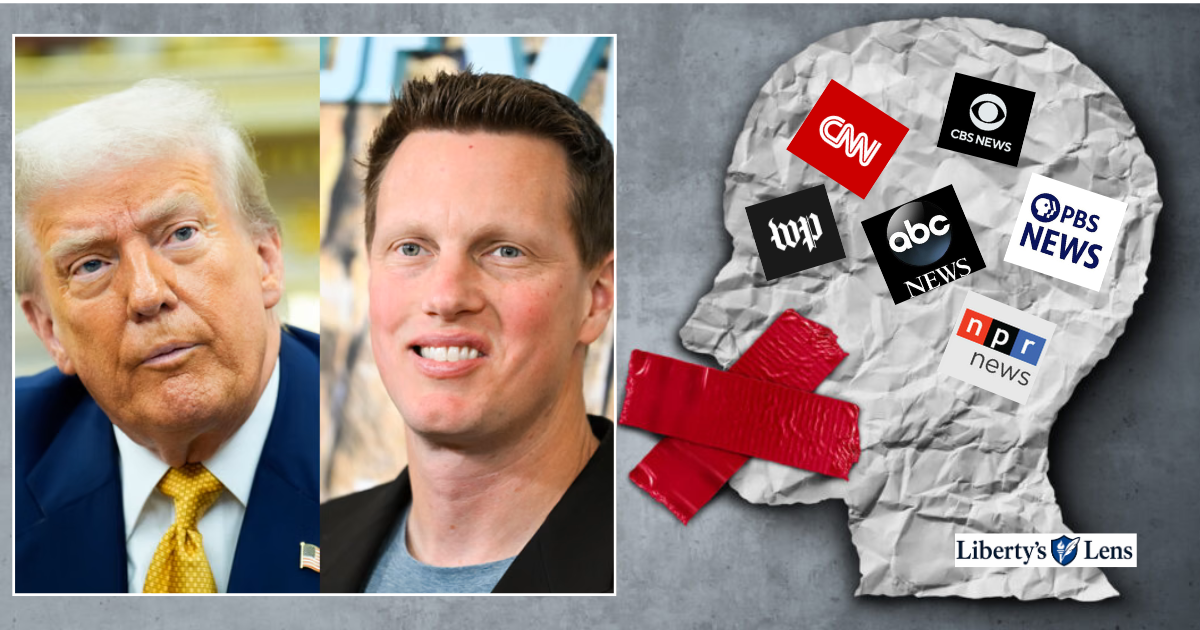
Then came the condition. Trump told reporters it was imperative that CNN be sold off or bundled into any Warner Bros. transaction, excoriating the network’s leadership and describing its content as “poison” (Newsweek | The Hill | Mediaite | POLITICO).
That public linkage, merger approval tied to the fate of a newsroom, collapses the firewall between antitrust enforcement and editorial independence in a way that was once unthinkable. Seriously ask yourself: if Biden or Obama had put their thumb on the scale in a similar way, how would the voters in the red hats have reacted? How would Fox “News”?
II) The bids — two paths, two futures for CNN
Under the Netflix agreement, Warner Bros. would spin off its linear cable networks (CNN, TNT, TBS and more) into a separate entity before closing the sale of the studios and HBO/HBO Max. Netflix’s own release and industry reporting describe a Discovery Global spinoff and a closing timeline of 12–18 months, with one of the largest breakup fees in modern dealmaking should approvals fail (Netflix | Bloomberg | Bloomberg | Cord Cutters News).
Paramount/Skydance’s bid seeks the entire company — including CNN — via an all-cash, $30-per-share offer financed with bank debt and equity from Larry Ellison, RedBird Capital, and outside partners including Jared Kushner’s Affinity Partners and Gulf sovereign funds who, per filings, would forgo governance rights to avoid CFIUS review (CNBC | Axios | Deadline | Bloomberg).
The politics are intertwined with the bids. Reporting indicates David Ellison told administration officials he would make “sweeping changes” at CNN if Paramount succeeded, a promise aligned with the president’s demand for a new ownership and programming direction at the network (Mediaite | TheWrap | The Independent).
Liberty’s Lens is entirely reader‑supported. We don’t answer to corporate masters deciding what we say or what we cover.
If you find our work valuable, please consider upgrading to a paid subscription. You can take 20% off with this coupon — and support independent media for about the price of a coffee per month.
Thank you to every reader who shares our work and helps it reach new audiences. We couldn’t do this without you. We love you all.
III) The preview — CBS News under Skydance
To understand what “sweeping changes” might mean in practice, look at CBS News post-merger. In July, the FCC approved Skydance’s acquisition of Paramount after the company committed, in writing, to end DEI programs, appoint a CBS News ombudsman to review bias complaints for at least two years, and pursue “viewpoint diversity”. Chair Brendan Carr praised those commitments; Commissioner Anna Gomez dissented, calling it “cowardly capitulation” with First Amendment implications (Variety | FCC release | POLITICO | Fox Business | Deadline).
In the months since, CBS News installed Bari Weiss as editor-in-chief and Trump associate Kenneth Weinstein as ombudsman, and debuted a prime-time special — A Town Hall With Erika Kirk — moderated by Weiss and airing at 8 p.m. ET/PT on Saturday, Dec. 13, with streaming later on Paramount+ and CBS News 24/7 (Deadline | CBS News | Associated Press via U.S. News).
Whatever one thinks of those choices, they are not occurring in a vacuum; they are unfolding in a regulatory environment where editorial concessions have been weighed as “public interest” benefits and broadcast approvals are explicitly linked to newsroom oversight mechanisms.
IV) How merger law is supposed to work — and why this moment is different
Ordinarily, mega-deals of this kind trigger Hart–Scott–Rodino filings, an initial waiting period, potential “second requests” for documents, and case-by-case analysis under the 2023 Merger Guidelines by the DOJ or FTC. Even under new leadership, enforcement officials have said those guidelines remain the framework, and the February 2025 HSR overhaul increased filing burdens to give agencies a clearer early view of competitive overlaps (Faegre Drinker | National Law Review | Nixon Peabody).
What’s different now is not the paperwork; it’s the politics. When a president publicly conditions approval on an outlet’s sale, companies adjust accordingly: they add breakup fees sized for political risk, restructure bids to provide a fig-leaf of coverage for foreign-investment review, and make editorial promises to align with agency expectations. Netflix’s agreement includes a record-scale $5.8 billion breakup fee if regulators block the deal; Paramount’s filings stress “funds certain” and partners waiving governance rights to sidestep CFIUS. And let’s be honest—does anyone really believe these Middle East oil autocrats will stay completely hands-off on coverage that makes them look bad? We know exactly how MBS feels about independent journalism (Bloomberg | CNBC | Deadline).
Antitrust policy is supposed to ask whether the effect “may be substantially to lessen competition”, not whether it produces the president’s preferred programming. That line is bright in law; here, it’s being blurred in practice (ABC News | CNBC).
V) The leverage chain — from broadcast to the boardroom
Readers of Liberty’s Lens know this pattern. In the Jimmy Kimmel Live! case, presidential targeting and FCC threats focused on “news distortion” and “public interest” pushed affiliates with pending business to preempt — a textbook example of coercion routed through intermediaries. The Court has warned against such methods for decades: informal sanctions to suppress speech are unconstitutional, and officials cannot pressure regulated entities to cut ties with disfavored speakers. And yet, all of our favorite “free speech absolutists” are silent on this (Bantam Books v. Sullivan (1963) | NRA v. Vullo (2024)).
 Liberty's Lens
The Warner Bros. fight simply moves the same levers upstream. Merger approvals and license transfers become bargaining chips; editorial concessions become “public interest” benefits; and bidders signal ideological compliance to de-risk their transaction. The result isn’t a neutral marketplace of ideas — it’s a system of bribes and patronage. We’re already watching legacy media sanewash Trump and his regime in exchange for favors and preferential treatment. And none of us should forget how quickly many of these companies have capitulated, settling suits where Trump personally demanded payment for “damages.”
VI) What each outcome likely means on the ground
A) If Netflix prevails
CNN would be spun into a separate public company with its current leadership and budgets intact. That grants breathing room, and exposes the outlet to future acquisition by broadcast station groups or politically aligned buyers hungry for cable news scale. Netflix, meanwhile, would consolidate studio and premium streaming power with HBO/HBO Max, raising exactly the kind of concentration questions regulators say they’ll scrutinize (Bloomberg | CNBC).
Do you miss Lina Khan yet?
B) If Paramount/Skydance prevails
CNN would merge with CBS News, where Bari Weiss and Kenneth Weinstein already shape editorial posture. Expect a tighter ombudsman regime, public-facing “bias” reviews, and programming choices calibrated to satisfy both the audience and the regulator (CNBC | Deadline | FCC release).
But this isn’t just structure, it’s politics. Ellison isn’t a neutral owner; he’s a Trump ally, photographed ringside with the president and praised as someone who’ll “do a great job” running the merged company (TheWrap | Variety). Senators have even pressed Ellison on allegations that Skydance promised Trump $20–30 million in airtime or advertising for regulatory favor—an arrangement Ellison won’t confirm or deny (TheWrap | Business Insider).
This context matters. It positions Ellison’s takeover less as an independent corporate move than as a politically calibrated investment, one engineered to give Trump cover and control over CNN through a friendly gatekeeper.
Zoom out: Musk owns X. Bezos owns the Washington Post. Soon-Shiong controls the LA Times. Sinclair gets a green light to blow past ownership caps. The Ellisons? David takes CBS and Paramount, Larry lands TikTok’s U.S. market—and now possibly CNN.
And the FCC chair’s justification for all of this right-wing consolidation in media? “Viewpoint diversity.” Does Brendan Carr even know what “diverse” means?
VII) The ideological angle — editorial independence as a bargaining chip
The clearest tell is the CBS town hall: a prime-time showcase for Erika Kirk, Turning Point USA’s new chief, moderated by the network’s editor-in-chief herself. Whether you applaud the programming choice or question it, it visibly serves two masters at once: a strategic audience expansion and a demonstration that CBS will produce events friendlier to the administration’s base (CBS News | Deadline | Associated Press via U.S. News).
Bribes and patronage.
 Liberty's Lens
Add it up: FCC approvals conditioned by newsroom oversight, DOJ/FTC reviews shadowed by presidential comment, and bidders offering editorial outcomes. In that matrix, “censorship” isn’t a content moderation debate — it’s merger math.
VIII) Counterarguments worth considering
Netflix argues the deal would deliver “more choice and value” and maintain Warner Bros.’ current operations, and points to the scale of cost savings and content expansion. Paramount argues its all-cash offer is faster to close and less exposed to multi-jurisdictional scrutiny, with funding partners waiving governance rights (yeah right) to streamline review. Regulators say they favor predictable processes, structural remedies, and case-by-case enforcement, not blanket hostility to mergers (Netflix | CNBC | Weil Gotshal).
Those points matter. But they don’t resolve the core democratic risk: when editorial independence becomes a factor in deal approval, everyone downstream will adjust their coverage to survive.
IX) What to watch next
DOJ/FTC posture: Look for formal statements underscoring independence and how they’ll evaluate streaming concentration and studio consolidation. Keep an eye on whether Netflix’s breakup fee signals confidence or caution.
CFIUS angles: Paramount’s filings say outside investors have no governance rights; watch for national security staff to weigh financing structures regardless.
FCC signals: License-transfer conditions and ownership-cap debates will be read as editorial levers, especially after CBS’s commitments.
Programming tells: If Paramount prevails, track integration memos, staffing changes, and whether CNN adopts an ombudsman/“bias monitor” regime akin to CBS.
Bottom line
These bids will shape the business of streaming. But the more urgent story is how they shape speech. When a president demands the sale of a newsroom as the price of approval, mergers become loyalty tests. Follow the money, yes. But watch the approvals even more closely — because in this moment, the currency isn’t only cash; it’s consent.
For readers who want the receipts
- Trump: “I’ll be involved in that decision” on Netflix–Warner; market share “could be a problem” — (USA Today | CNBC)
- Trump: “It’s imperative that CNN be sold” as part of any deal — (Newsweek | The Hill | Mediaite | POLITICO)
- Netflix–Warner terms: studio/HBO assets; Global Networks spinoff; timeline; breakup fee — (Netflix | Bloomberg | Bloomberg | Cord Cutters News)
- Paramount/Skydance hostile bid: all-cash, whole company; financing; governance waivers — (CNBC | Axios | Deadline | Bloomberg)
- Ellison promises CNN “sweeping changes” if Paramount wins — (Mediaite | TheWrap | The Independent)
- FCC approves Skydance–Paramount; ombudsman and DEI commitments; Gomez dissent — (Variety | FCC | POLITICO | Deadline | Fox Business)
- CBS News changes and town hall programming under Bari Weiss — (Deadline | CBS News | Associated Press via U.S. News)
- Ellison isn’t a neutral owner — (TheWrap | Variety)
- Allegations Skydance promised Trump advertising for regulatory favor — (TheWrap | Business Insider)
- Antitrust standards and review concerns — (ABC News | CNBC)
- Legal guardrails on coercion via intermediaries — (Bantam Books v. Sullivan (1963) | NRA v. Vullo (2024))
If you found this work valuable, but can’t commit to a subscription right now, please consider leaving a tip. Any amount is appreciated. Your support keeps Liberty’s Lens free from corporate influence—so we can cover stories without fear or favor.
— Liberty’s Lens
This article is provided for public interest reporting and analysis. All external links open in a new tab and point to their original publishers.
© 2025 Liberty’s Lens. All rights reserved.